Key points
- To hire a Nepali worker on a Specified Skilled Worker (SSW) visa, you need both the Japanese residence procedures and the Nepali procedures, including the worker's labour permit.
- Since 1 July 2025, the job's demand letter must be attested by the Embassy of Nepal in Tokyo.
- If the worker already lives in Japan, a change of residence status completes the process.
- Employers must carry out a support plan and file an annual report, and the support can be outsourced to a Registered Support Organization.
- In April 2027 the Technical Intern Training Program ends and the Employment for Skill Development (ESD) system begins.
Why hire Nepali workers?
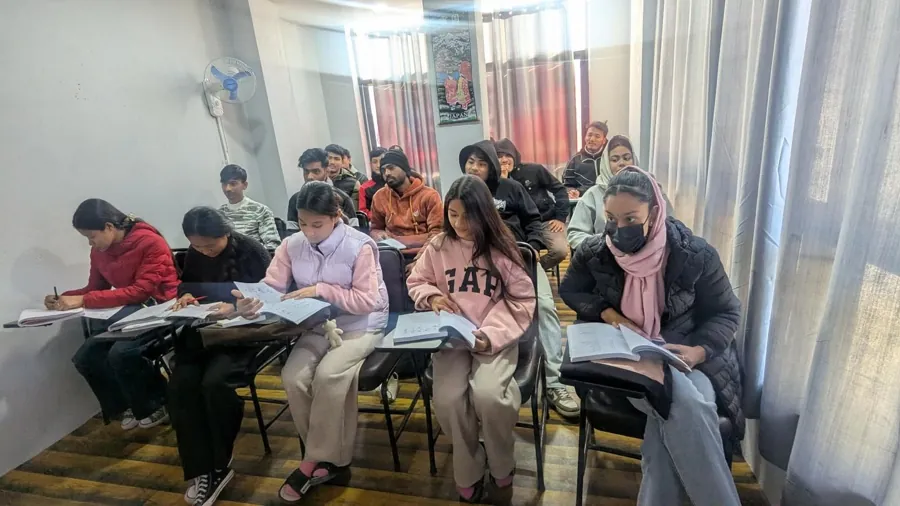
- Japanese grammar comes more easily: like Japanese, Nepali puts the verb at the end of the sentence (subject, object, verb) and uses postpositions similar to Japanese particles, so Japanese sentence structure feels familiar.
- Tests can be taken in Nepal: JFT-Basic and the skills tests for some sectors, such as caregiving and accommodation, are held in Nepal, so you can hire candidates who have already passed.
- A government-to-government framework: Japan and Nepal have a Memorandum of Cooperation on SSW, so the sending procedures are clearly defined.
- A young workforce: Nepal has a large young population, and many people aim to work abroad.
- An established community in Japan: many Nepalis live in Japan, and having people to talk to in their own language, and Nepali food shops nearby, helps new workers settle in.
The SSW visa: what employers need to know
Specified Skilled Worker is a residence status for foreign workers with a certain level of skill, in sectors facing serious labour shortages. It started in April 2019, and Japan has a Memorandum of Cooperation (MOC) on SSW with Nepal, renewed for five years from April 2024.
SSW (i) and SSW (ii)
- SSW (i): work that needs considerable knowledge or experience. Workers can stay up to five years in total, and family members generally cannot join them.
- SSW (ii): work that needs proficient skills. There is no upper limit on renewals, and family members can join if the requirements are met.
Main requirements for SSW (i)
Workers must normally pass both a skills test for the sector and a Japanese test: the Japan Foundation Test for Basic Japanese (JFT-Basic) at level A2 or above, or the Japanese-Language Proficiency Test (JLPT) at N4 or above. Caregiving also requires the Nursing Care Japanese Language Evaluation Test. People who completed Technical Intern Training (ii) in good standing are exempt from the tests in a related sector.
Sectors
Sectors include caregiving, food service, construction, agriculture, food and beverage manufacturing and accommodation. A Cabinet decision in March 2024 expanded the list to 16 sectors, and a Cabinet decision in January 2026 added logistics warehousing, resource recycling and linen supply. Check the Immigration Services Agency's announcements for when the new sectors open.
Hiring Nepali workers from Nepal: step by step
Based on the Immigration Services Agency's guidance and the Embassy of Nepal's notices, the usual process is:
Recruit and select candidates
You can recruit directly, or find candidates through a sending organization in Nepal or a placement agency in Japan. You can also submit a job opening through the Embassy of Nepal in Tokyo to the Japan unit of Nepal's Department of Foreign Employment (DoFE), for a fee.
Sign the employment contract
The contract must meet the SSW standards, including pay at least equal to a Japanese worker's.
Have the demand letter attested
Since 1 July 2025, the demand letter must be attested by the Embassy of Nepal in Tokyo. For SSW, the embassy lists documents including the demand letter, employment contract, power of attorney, company profile with two years of financial statements, certified company register, seal certificate and the sending organization's licence. First-time applicants also need a clearance letter from DoFE. Documents must be issued within the last three months, and a Registered Support Organization can submit them on your behalf.
Apply for the Certificate of Eligibility (COE)
You apply to your regional immigration services bureau. Once it is issued, send it to the worker.
Visa application
The worker applies for a visa at the Embassy of Japan in Nepal, presenting the COE.
Pre-departure procedures in Nepal
The worker has a health check at a designated medical institution, attends a 2–3 day pre-departure orientation, takes out foreign employment insurance and pays into the welfare fund for migrant workers.
Labour permit
The worker applies online to DoFE's Japan unit for a labour permit, which is checked when they leave Nepal. The steps from the health check to the labour permit take about 10 days.
Arrival and start of work
On landing, the worker is granted SSW status. After arrival, you provide support such as a life orientation.
Nepal's rules and required documents can change. Check the Embassy of Nepal's latest notices.
Hiring a Nepali worker already in Japan
Hiring someone who already lives in Japan, such as a student at a Japanese language school or vocational college, or a former technical intern, is simpler:
- Confirm they have passed the skills and Japanese tests, or completed Technical Intern Training (ii) in good standing.
- Sign the employment contract.
- The worker applies to the regional immigration services bureau for a change of residence status to SSW.
- Once the change is approved, the process is complete.
If the worker later makes a temporary visit to Nepal, they need to get a labour permit from DoFE's Japan unit.
Religion, food and festivals: working well with Nepali staff
Religion
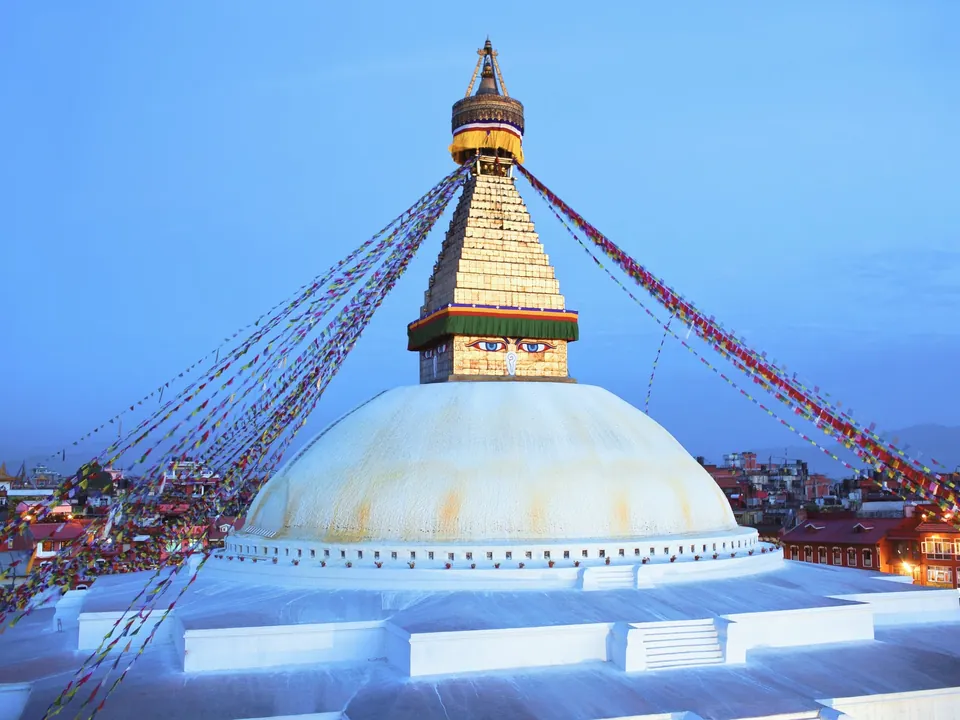
About 80% of Nepalis are Hindu, followed by Buddhists. How strictly people follow their faith varies, so ask each person rather than assuming from their nationality.
Food
Most Hindus do not eat beef. Some people are vegetarian, and Muslims do not eat pork. Ask about food restrictions before staff meals, canteen menus or welcome parties.
Festivals and leave
Dashain (usually around September–October) and Tihar (usually around October–November) are Nepal's biggest festivals and an important time with family. The dates change every year with the calendar, so ask about leave early and plan shifts and visits home around them.
Tips for the workplace
- Give short, specific instructions, and put important points in writing (with furigana for Japanese text)
- Pair new workers with an approachable senior colleague for the first few months
- Make sure there is someone they can talk to in Nepali when problems come up
For first-month paperwork, explaining payslips and resident tax, and planning leave, see "Retaining Nepali Employees in Japan".
Your obligations as an SSW employer
- A proper employment contract: pay at least equal to a Japanese worker doing the same job, with direct, full-time employment in principle (agriculture and fisheries may use dispatch).
- A support plan (SSW (i)): ten items: pre-arrival guidance, airport pick-up and drop-off, help finding housing and signing everyday contracts, a life orientation, accompanying the worker to public procedures, opportunities to learn Japanese, handling questions and complaints, encouraging exchange with Japanese people, help finding a new job if the worker leaves for the company's reasons, and regular interviews with reports to the authorities when needed.
- Joining the sector council: each sector has a council that employers must join.
- An annual report: since the April 2025 rule change, the report on employment, activities and support is filed once a year. The status for 1 April to 31 March is reported between 1 April and 31 May. The duty stays with the employer even if support is outsourced.
- No support costs for the worker: you cannot pass the cost of support on to the worker, directly or indirectly.
The whole support plan can be outsourced to a Registered Support Organization. This takes most of the work off companies that are new to hiring foreign workers or cannot offer support in the worker's language.
Costs of hiring Nepali SSW workers
Costs depend on the hiring route, the sector and how much you outsource. The main items are:
- Placement fees, if you use a placement agency
- Monthly fees for a Registered Support Organization
- Government fees for residence applications, and fees if an administrative scrivener handles them
- Airfare and housing set-up, when hiring from Nepal
- Costs for the sending organization and the demand-letter attestation
Under the Employment Security Act, placement agencies in Japan are in principle not allowed to charge job seekers a placement fee. Brokers who load large costs onto workers also cause debt, disappearances and other problems, so choose a partner that can explain every cost clearly.
From April 2027: Employment for Skill Development
On 1 April 2027 the Employment for Skill Development (ESD) system begins and the Technical Intern Training Program ends. ESD aims to train workers to SSW (i) level over about three years, leading on to SSW. Nepal is reported to be preparing its own procedures for ESD. If you are planning to hire, consider both SSW and ESD.
FAQ: hiring Nepali workers in Japan
How much Japanese do SSW workers speak?
SSW (i) requires JFT-Basic A2 or JLPT N4 or above, which is enough for basic everyday conversation. The Japanese needed at work depends on the sector and workplace, so check it at the interview.
Can candidates take the tests in Nepal?
Yes, JFT-Basic is held in Nepal. Skills tests vary by sector in where and when they are held, and some sectors, such as caregiving and accommodation, have held tests in Nepal, including in Kathmandu and Pokhara.
Do we have to use a sending organization?
The Immigration Services Agency says employers can recruit directly. However, the demand-letter attestation introduced in July 2025 lists the sending organization's licence among the required documents, so in practice you will work with a sending organization licensed by the Government of Nepal.
How long does hiring take?
It depends on the candidate's test results, document preparation and processing times. The pre-departure steps in Nepal (health check, orientation and labour permit) take about 10 days, but talk to us about the overall timeline for your case.
What should we know about religion and food?
Food restrictions depend on religion and the individual; for example, most Hindus do not eat beef. Leave requests also tend to come around Dashain and Tihar, so it helps to ask early.
Can you support the worker after they join?
Yes. As a Registered Support Organization, B&P Co., Ltd. provides ongoing support at work and in daily life under the support plan, in Nepali and Japanese.
Summary
Hiring Nepali workers on an SSW visa means handling both the Japanese residence procedures and Nepal's own steps, such as the demand-letter attestation and the labour permit. After hiring, the support plan, the annual report and respect for religion and culture are what help workers stay.
If you are unsure how to proceed, the quickest route is a Registered Support Organization that works in both Nepali and Japanese.
B&P Co., Ltd. · Hakata, Fukuoka
Hiring from Nepal? Talk to B&P
From finding candidates in Nepal to support after they arrive, our team, led by a Nepali-born CEO, handles it all in Nepali, Japanese and English.
- Licensed placement agency
- 40-ユ-301603
- Registered Support Organization
- 25登福労-000005
- Languages
- 日本語 · नेपाली · English
Sources
- Immigration Services Agency of Japan, procedures for accepting Nepali nationals as Specified Skilled Workers (Japanese)
- Immigration Services Agency of Japan, bilateral Memoranda of Cooperation on SSW (Japanese)
- Immigration Services Agency of Japan, Specified Skilled Worker system
- Embassy of Nepal in Tokyo, Demand Attestation
- The Japan Foundation, Japan Foundation Test for Basic Japanese (JFT-Basic)
- Ministry of Health, Labour and Welfare, notes on placement for Specified Skilled Workers (Japanese)